Brand X
A 9-product premium skincare line. We chose the products based on demand on Amazon; we prepared the formula, packaging design, pricing, 24-month sales plan and launch investment. The brand name is hidden.
Source: the brand's BoldRanks P&L table (24 months).
Every product has a job
The flagship product grabs attention and introduces the brand. Everyday products drive repeat purchases, and sets and treatment kits raise the basket size.
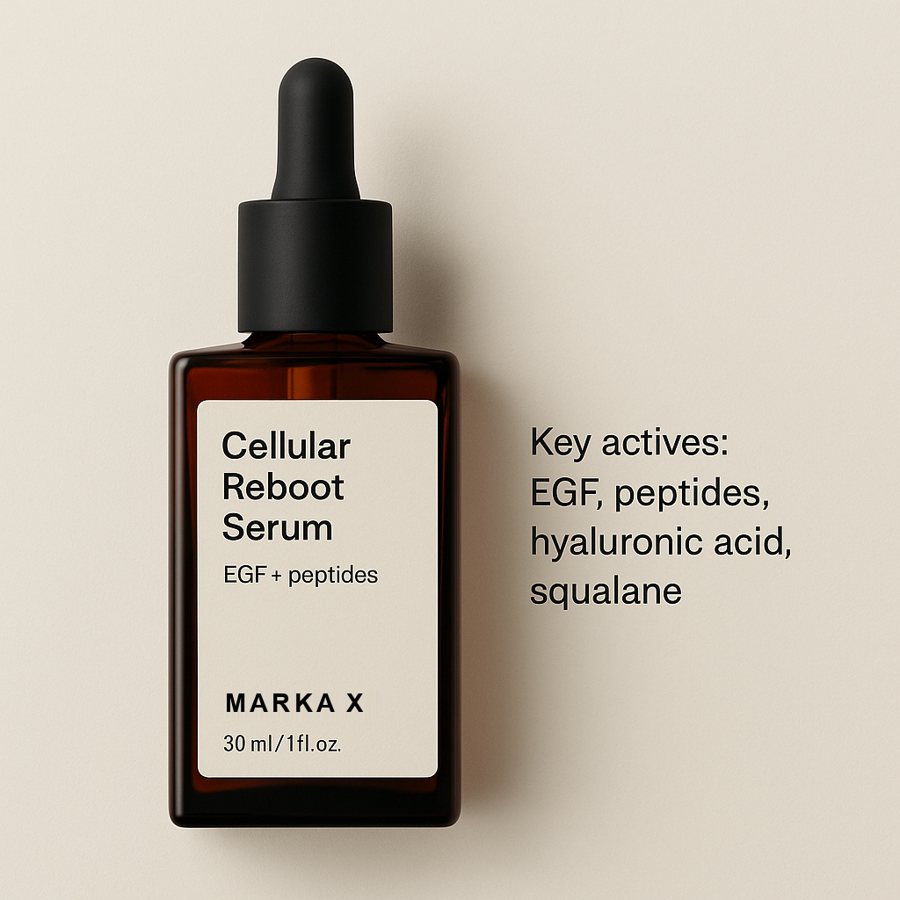
Cellular Reboot Serum
30 ml · EGF · peptide complex · hyaluronic acid
$39.99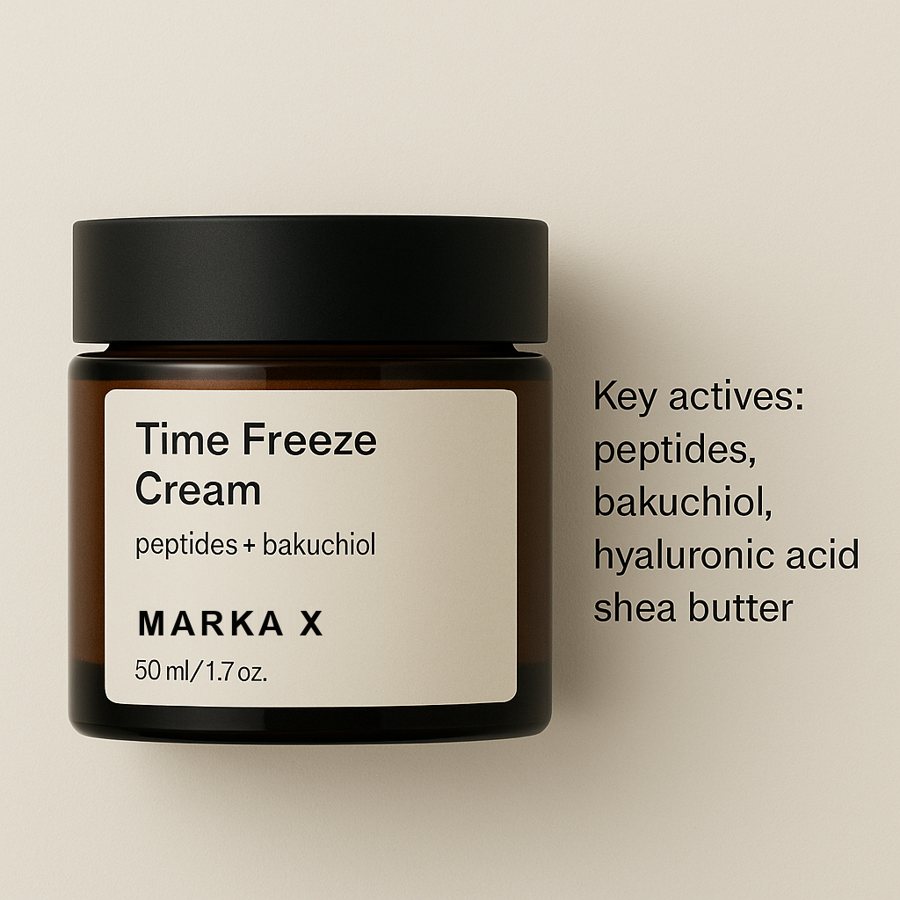
Time Freeze Cream
50 ml · Encapsulated retinol · bakuchiol · ceramide
$79.99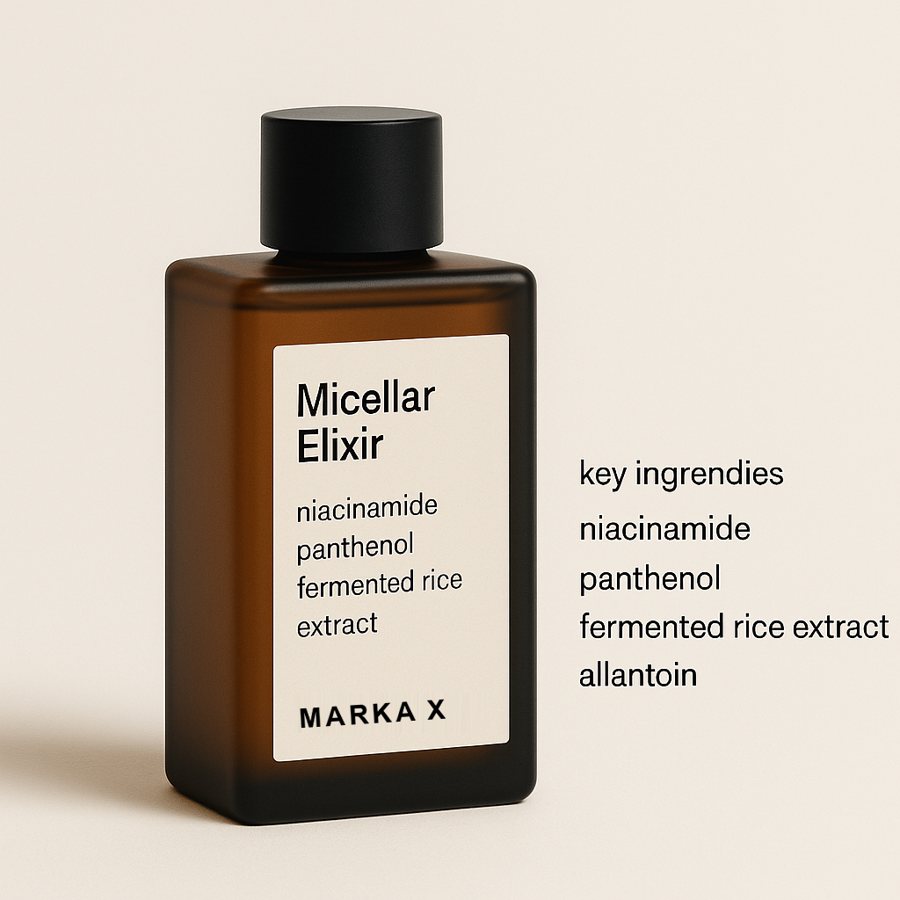
Micellar Elixir
200 ml × 2 · Niacinamide · panthenol · fermented rice
$36.99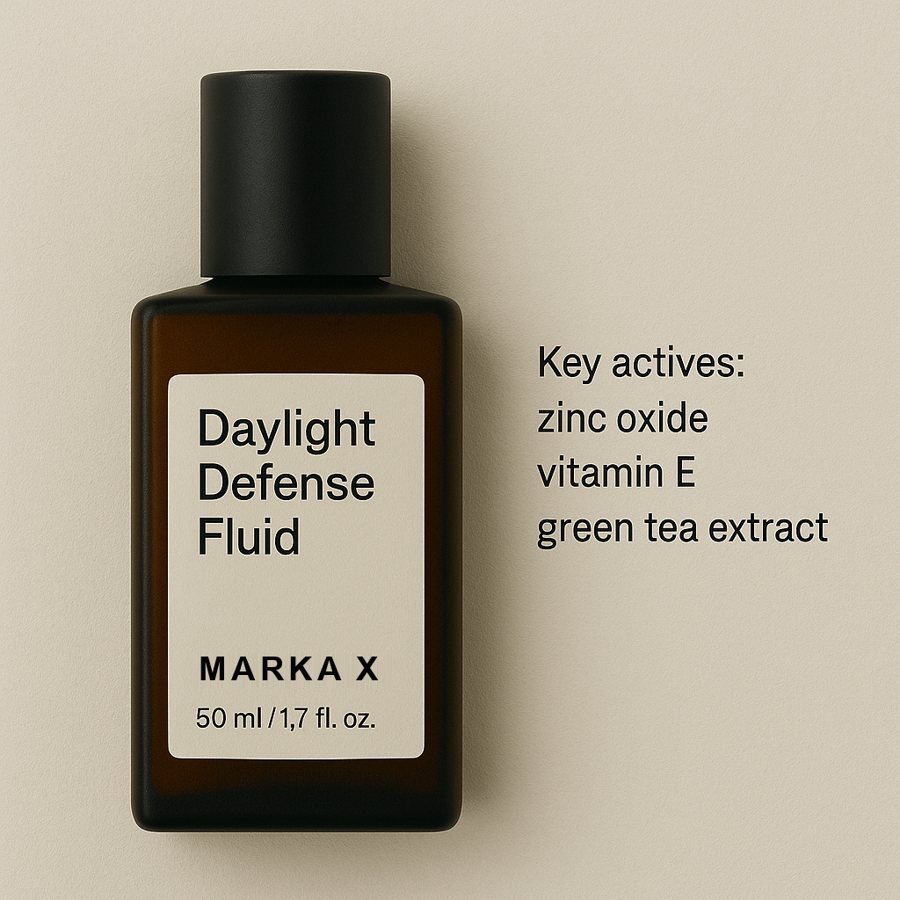
Daylight Defense Fluid
50 ml · Zinc oxide (mineral SPF) · niacinamide
$49.99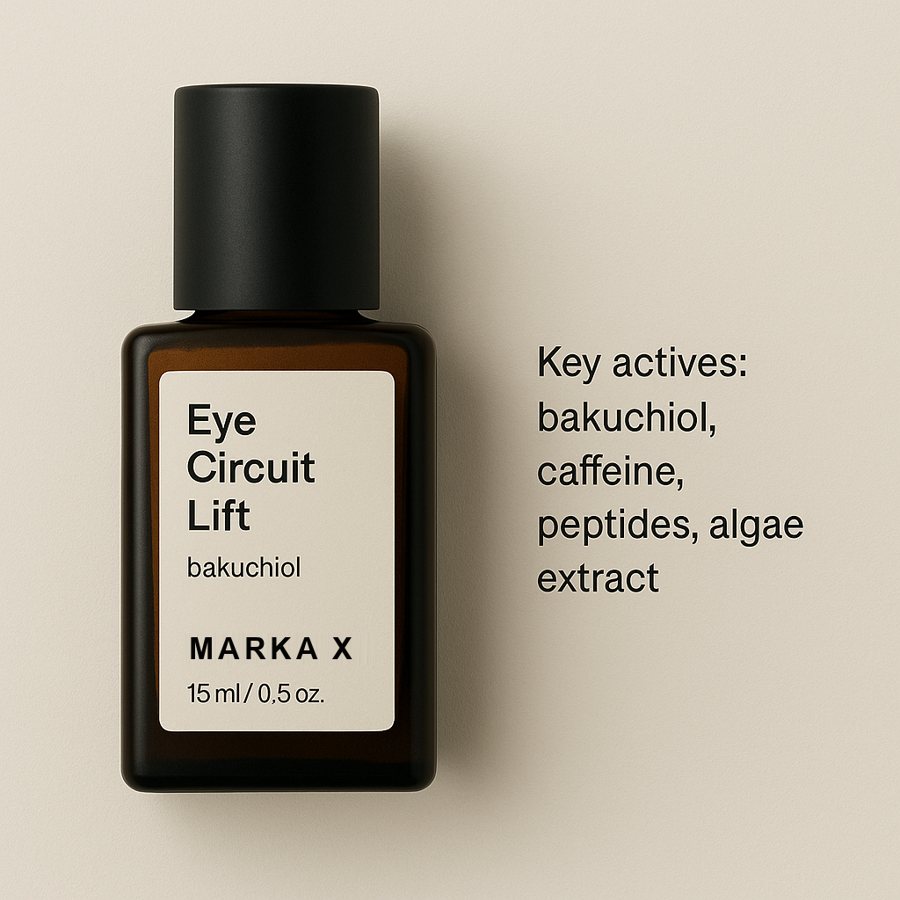
Eye Circuit Lift
15 ml · Caffeine · tetrapeptide-5 · bakuchiol
$39.99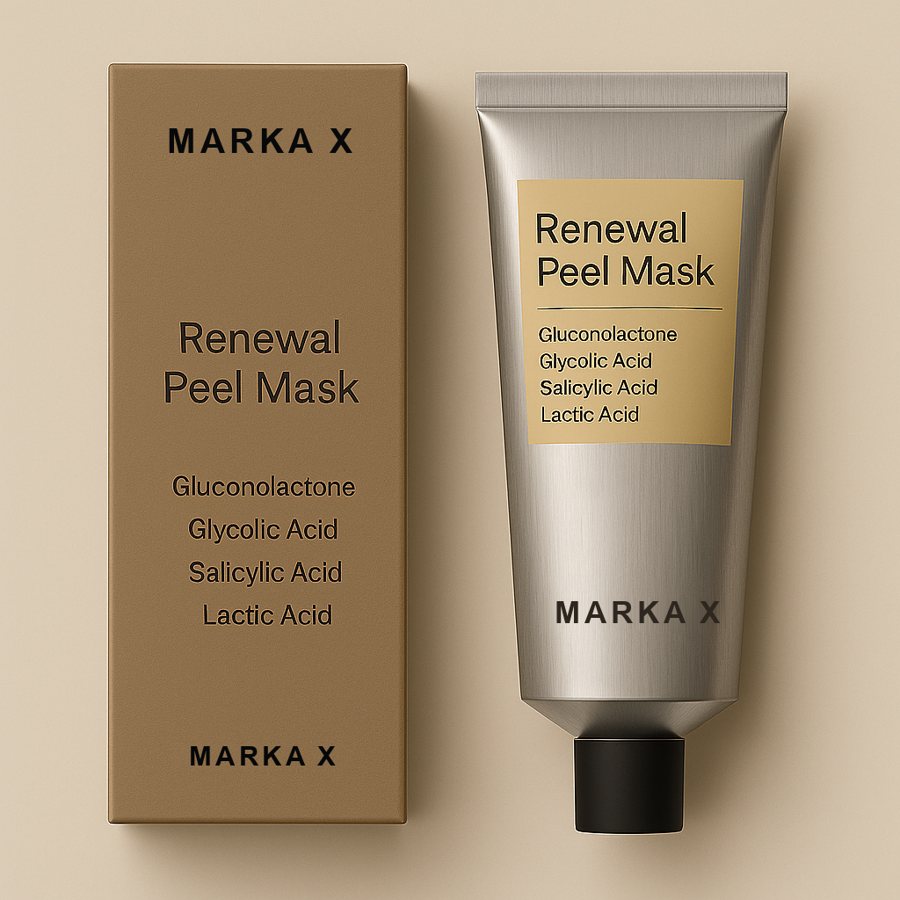
Renewal Peel Mask
50 ml · Mandelic acid · lactic acid · PHA
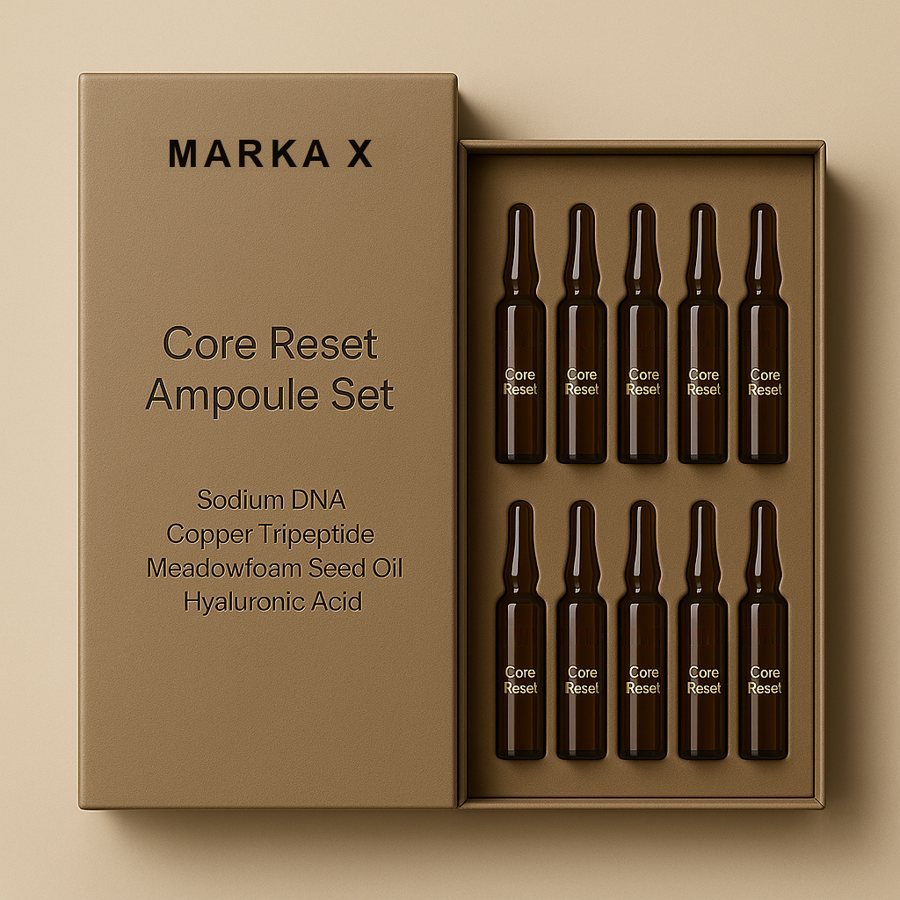
$49.99Core Reset Ampoule
1 ml × 10 · Bioplacenta · bakuchiol · 7-peptide blend
$69.99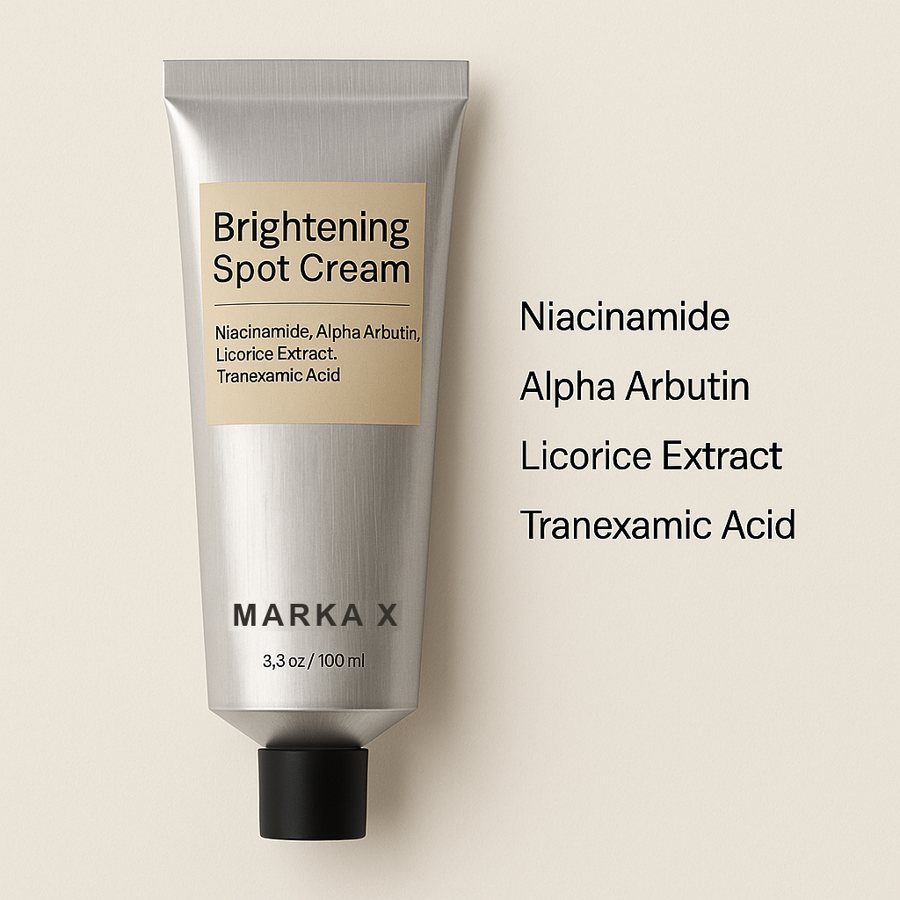
Brightening Spot Cream
100 ml · Niacinamide · alpha arbutin · tranexamic acid
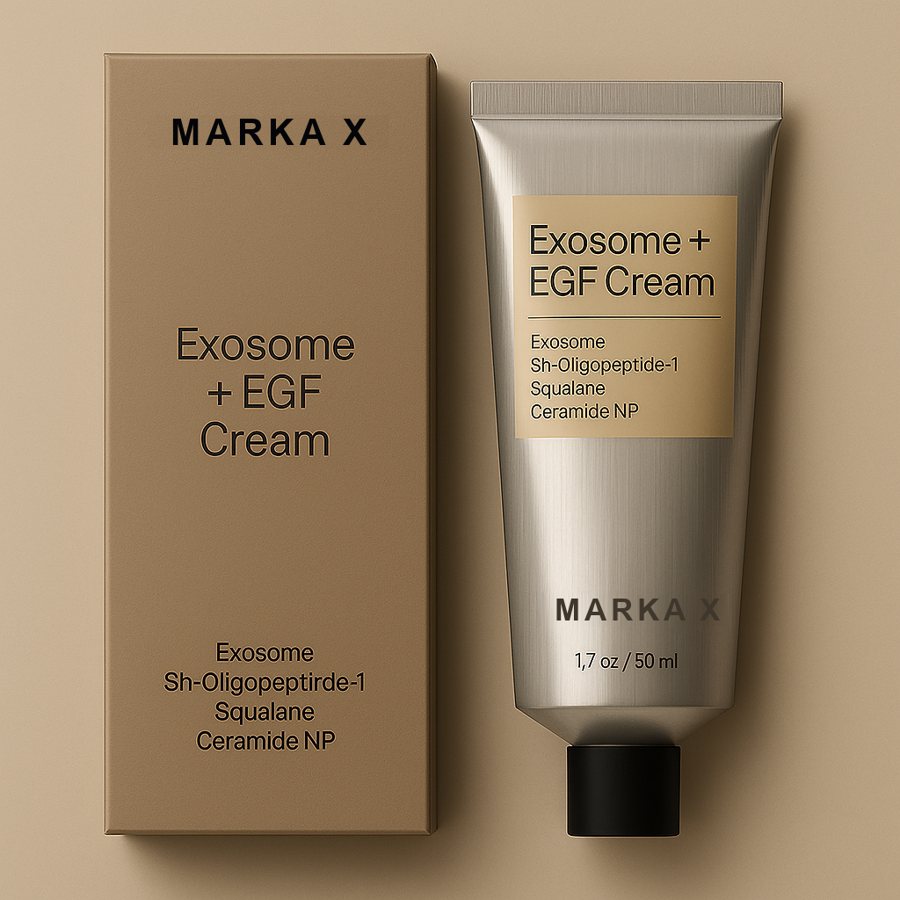
$49.99Exosome EGF Power Cream
50 ml · EGF · peptide · ceramide NP
$69.99As the ad share drops, profit opens up
This chart shows all 9 products combined. In the first months, more than half of sales goes to ads. As reviews build up and rankings settle, the ad share drops from 57% to 21%. Monthly sales grow from $73K to $218K. The plan covers two years; sales are expected to keep growing in year three.
One $39.99 bottle: where does the money go?
This table shows only the flagship product, Cellular Reboot Serum: how much of one $39.99 bottle goes to the product, to Amazon and to ads, and how much stays as profit. In the first months each bottle sells at a loss because ad costs are high. From month 8 the bottle turns a profit, and the profit grows every period as the ad share falls.
Where does $129,673 go?
The two biggest items are launch marketing and the first inventory. Brand setup (brand identity guide, formula, end-to-end management) is a single item.
The order for selling in the US
Manufacturer GMP certificate (ISO 22716 GMP)
Shows that the cosmetic is made in a clean, controlled and registered facility. Why: The US cosmetics law passed in 2022 (MoCRA) gave the FDA authority to set cosmetics manufacturing rules; Amazon can also ask for the manufacturer's certificate during a product safety review.
Certificate of analysis (COA) for every batch
A lab report for every production batch showing microbial, heavy metal and ingredient tests. Why: At US customs, the FDA may hold a product for inspection; with the report ready, the product clears faster. Amazon asks for this report in a complaint or safety review; if a problem comes up, it helps identify which batch is affected.
FDA facility registration and product listing
The manufacturing facility is registered with the FDA, and each product is listed with its ingredient list. Why: Made mandatory by MoCRA; the FDA has enforced it since July 1, 2024. A product from a facility whose registration is suspended cannot be sold in the US. The old voluntary VCRP system closed in 2023.
Safety file
Tests and an expert assessment showing the product is safe under normal use. Why: MoCRA requires the seller to keep the record that proves the product's safety; a serious adverse event is reported to the FDA within 15 business days. This is especially important for eye-area products.
Drug rules for sunscreen
In the US, a product with SPF is considered an over-the-counter (OTC) drug, not a cosmetic. Why: The FDA requires drug facility registration, a Drug Facts label and SPF testing; Amazon also asks for separate documents for these products. If the line includes an SPF product, the plan is built accordingly.
Vegan, not tested on animals (optional)
Not a legal requirement. Why: It is a filter customers search for on Amazon and builds trust on the packaging; the certificate is issued by independent organizations.